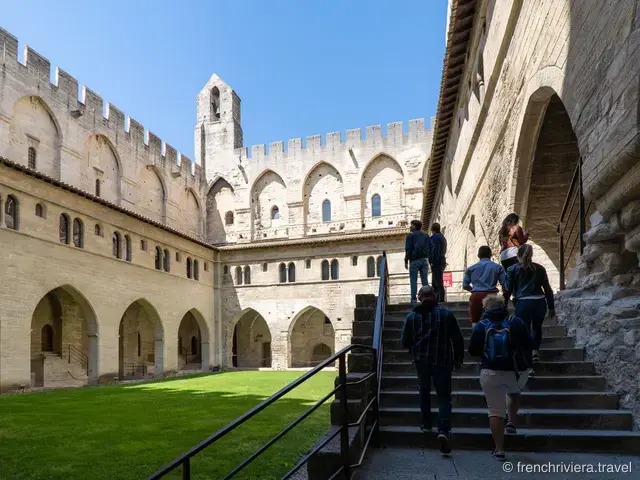
Papal Palace in Avignon
The Papal Palace in Avignon is the former seat of the popes. Its interiors are empty today, but you can still see where the popes lived and where they concealed their valuables. The palace is one of the most visited attractions in France.
The Papal Palace in Avignon (Palais des Papes) is the most important attraction in the city, and one of the most important attractions in France. No wonder that during the holiday season it is visited by crowds of tourists. The palace complex, which also adjoins the Notre Dame Cathedral and the remains of the famous St. Benedict’s Bridge, is on the UNESCO World Heritage list.
The Papal Palace at a glance
- What: the largest Gothic palace in Europe, seat of the popes from 1309 to 1377.
- Tickets (2026): €16, or €19.50 with the Avignon bridge; free under 10.
- Open: 9am to 7pm from March to early November, shorter in winter.
- Note: renovation until spring 2027; some rooms may be closed.
- How long: one to two hours.
More about the city, where to stay and how to get there is in my guide to Avignon.
The Papal Palace in Avignon was the seat of popes and antipopes
Avignon was the seat of popes during the years 1309–1377, and this period is known as the “Babylon captivity of popes”. Clement V first moved from Rome to Provence; following him, Pope John XXII, Benedict XII, Clement VI, Innocent VI, Urban V, and Gregory XI; and the antipopes Clement VII and Benedict XIII, all sat on the Avignon throne. It is worth adding that in 1348 Clement VI purchased Avignon, and the city became the possession of the papacy until 1791.
Interesting fact: before the Pope moved to Avignon, he had his headquarters in the Lateran Palace, Rome. It wasn’t until he returned to the Eternal City that the pope settled in the Vatican because the Lateran Palace had been destroyed.
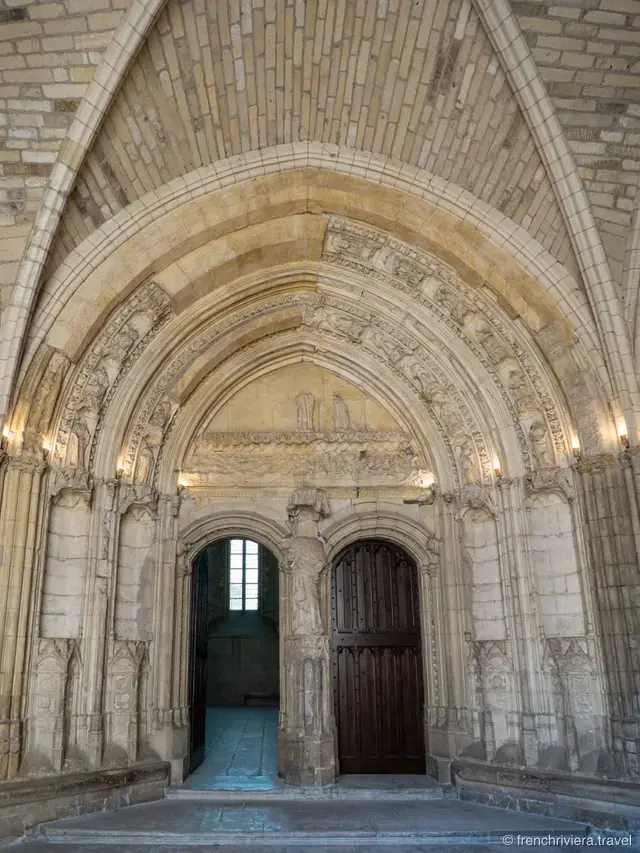
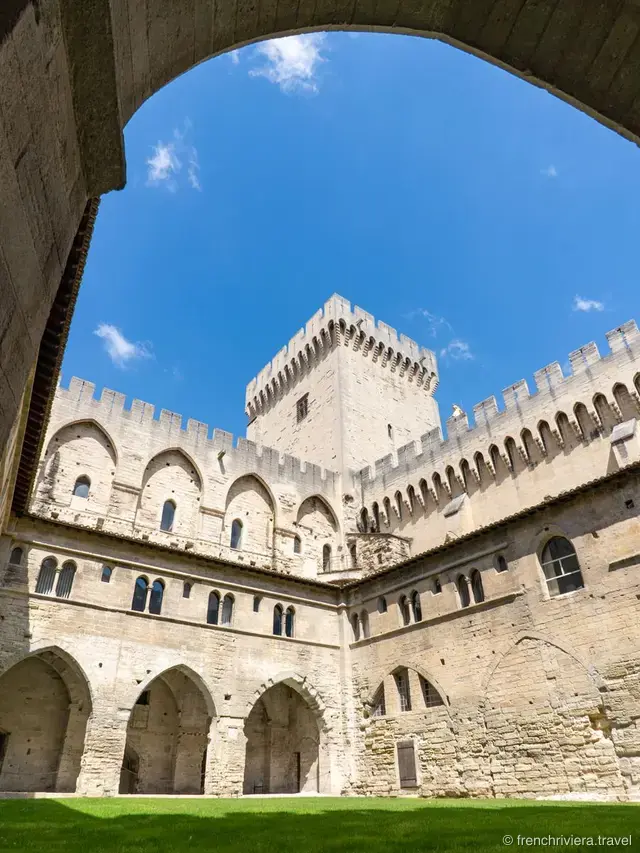
The Papal Palace in Avignon is the largest Gothic castle in Europe. In fact, it is the entire palace complex, which consists primarily of the Old Palace and the New Palace. Right next to it is also the Small Palace, which was the seat of the cardinals. The complex is complemented by the Notre Dame des Doms cathedral, in which the popes John XXII and Benedict XII were buried. The tomb of the latter is in the temple, although the pope no longer rests there; while John XXII rests in the cathedral’s treasury, which, unfortunately, is closed for most of the year.
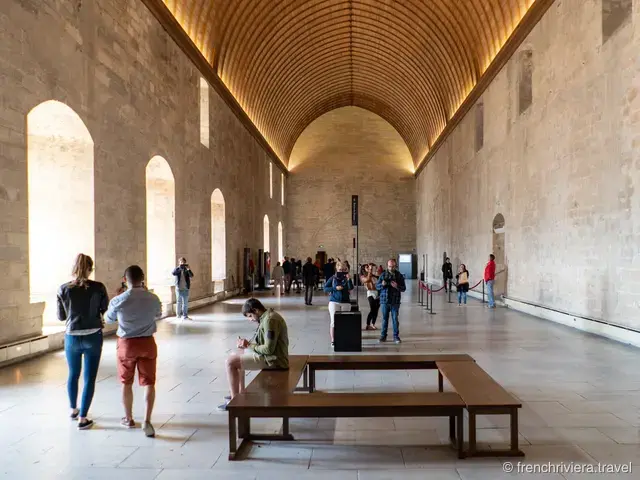
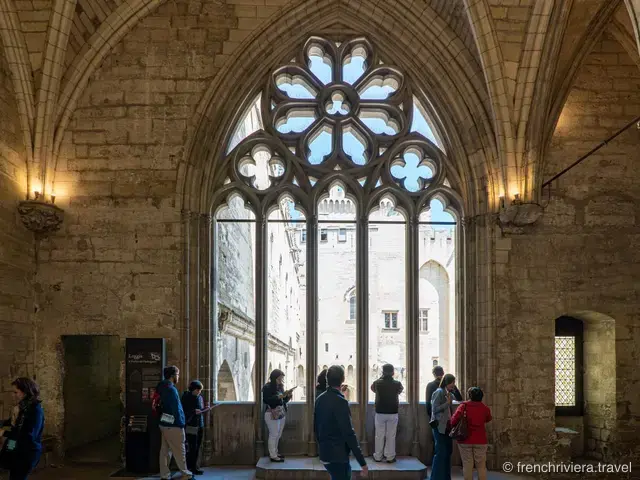
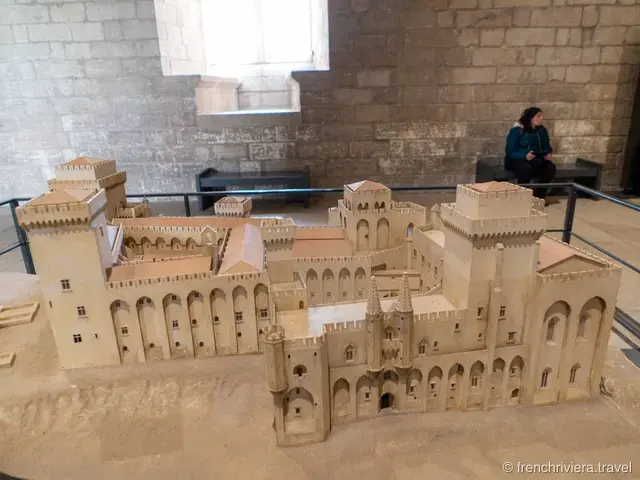
The papal complex stands almost in the center of the Old Town of Avignon, surrounded by 4.5 kilometres of fourteenth century walls. It’s easy to get to it from the main station by going straight down Cours Jean Jaurès. Visiting the Papal Palace in Avignon is like walking through the abandoned Vatican. Unfortunately, there is practically nothing left of the old wealth, nor decorations or furniture. Of course, the participants of the French Revolution are primarily responsible for this state of affairs.
Over 25 rooms have been made available to visitors, but only a few have survived even with fragmentary wall paintings. The palace was only thoroughly renovated in 1969, and today is one of the 10 most-visited attractions in France.
Visiting the palace – practical information
For a walk through the papal chambers you have to spend at least one hour. In 2026, a ticket costs €16 (reduced €13, children aged 10–17 €10), and a digital guide is included in the price. The combined ticket with the famous bridge in Avignon costs €19.50 (reduced €16, children €12), and children under 10 enter free.
From March to early November the palace is open from 9AM to 7PM, with shorter hours in the other months; the last entry is an hour before closing. The palace is being renovated until spring 2027, so some rooms may be closed. In summer, come early: the palace gets very hot and crowded, especially in July during the theater festival. Current information can be found on the palace’s website.
Frequently asked questions
How much does the Papal Palace in Avignon cost?
In 2026, a ticket costs €16 (reduced €13, children aged 10–17 €10), and a combined ticket with the Saint-Bénézet bridge costs €19.50 (reduced €16, children €12). Children under 10 enter free. A digital guide on a tablet or your phone is included.
When is the Papal Palace open?
From March to early November, from 9am to 7pm, with shorter hours in the other months; the last entry is an hour before closing. The palace is being renovated until spring 2027, so some rooms may be closed.
How long does a visit to the Papal Palace take?
At least an hour, and up to two with the terraces and the gardens. Add an hour for the bridge and the Rocher des Doms garden next door.
Why did the popes live in Avignon?
From 1309 to 1377, seven popes, and later two antipopes, lived in Avignon instead of Rome, after Clement V moved the papacy to Provence. The city belonged to the popes until 1791.
Comments (0)
No comments yet. Be the first!