
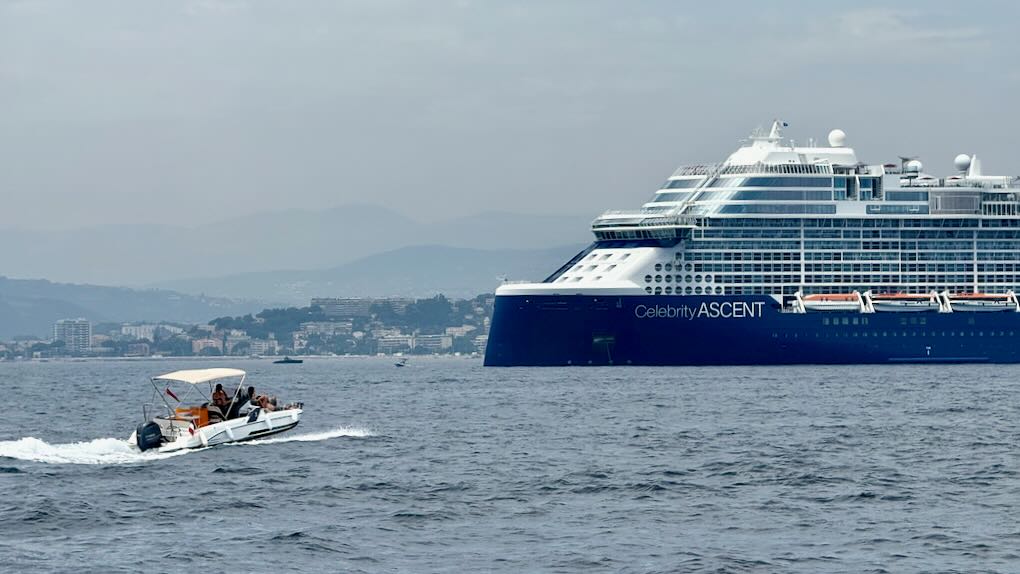
It’s a common misconception that the French and Italian Rivieras are two separate trips, booked months apart with a flight in between. But if you look at a map, you’ll see they’re actually on the same coastline.
Guest post. This article may contain paid promotional links.
Fortunately, it’s a breeze to get from one to the other by ship, which makes your trip really worthwhile. You can essentially pack two holidays into one, without the headache of organizing double the travel.
Why the Sea Is the Missing Link Between Two Rivieras
Everyone takes the train or drives, which is fine. Except for one thing… You miss the actual coast. The tunnels alone obscure your view for half the journey.
On the water, Nice to Genoa is a single, unbroken stretch. You’ll see the most amazing towns tucked away on ridges you wouldn’t be able to spot from the road. There are also coves you can’t access unless you go by boat.
Just think about it – you can’t get that just looking out a train window.
Starting on the French Riviera
Nice has a working port that’s a short walk from the old town (ten minutes or so), which makes it a great starting point. There are ferries that run east toward Italy from late spring through the summer. Plus, there are connections to Corsica and the islands if you want to extend your trip.
The maritime side of Nice is well set up and easy to navigate. So if you’re a first-time traveler, you’ll have a blast without having to worry about getting lost.
Menton is the last stop before the Italian border and a lovely spot to spend the morning. It feels nothing like the busier parts of the Riviera, with a quiet atmosphere and gorgeous citrus trees.
Monaco is a good alternative starting point if you’re joining a Mediterranean cruise ship. The port is pretty big and super efficient.
Crossing Borders by Water
When you’re on a ferry, the crossing takes about two to four hours depending on your departure point. In the off-season, you can also charter a boat (which is surprisingly affordable). Either way, it’s the perfect way to spend an afternoon.
Arriving on the Italian Riviera
When you arrive, you can practically feel how peaceful the Italian Riviera is. San Remo also has a calm, slightly faded charm that forces you to slow down, while Alassio is home to some of the most down-to-earth locals you can find.
Cinque Terre is the obvious highlight, though, and arriving by boat feels oddly fitting. There are no roads connecting the five villages here, so sailing into Vernazza or Monterosso feels just right.
Designing a Seamless Dual-Coast Itinerary
You don’t have to worry about your trip taking up all of your holiday time. In fact, three to five days is more than enough for a decent run through both coasts.
Seven to ten days is even better, though.
You can spend a couple of nights on the French side and a couple on the Italian. Just make sure to dedicate enough time on either side to really enjoy yourself.
Practical Considerations
You don’t want to overpack for your trip, or you’re going to have to lug a suitcase up and down a harbor. Instead, try to pack one bag that fits in a boat cabin.
Additionally, you’ll want to book summer ferries at least six weeks in advance. They fill up quicker during the warm weather! And if you tend to get seasick, bring something along for it, although the water on this passage is pretty calm.
Why This Route Feels Like Two Trips in One
When you cross over from France to Italy on land, one country stops and another starts. That’s it. But if you want something more cinematic and fitting to the beauty of both destinations, going by boat is the only way.