
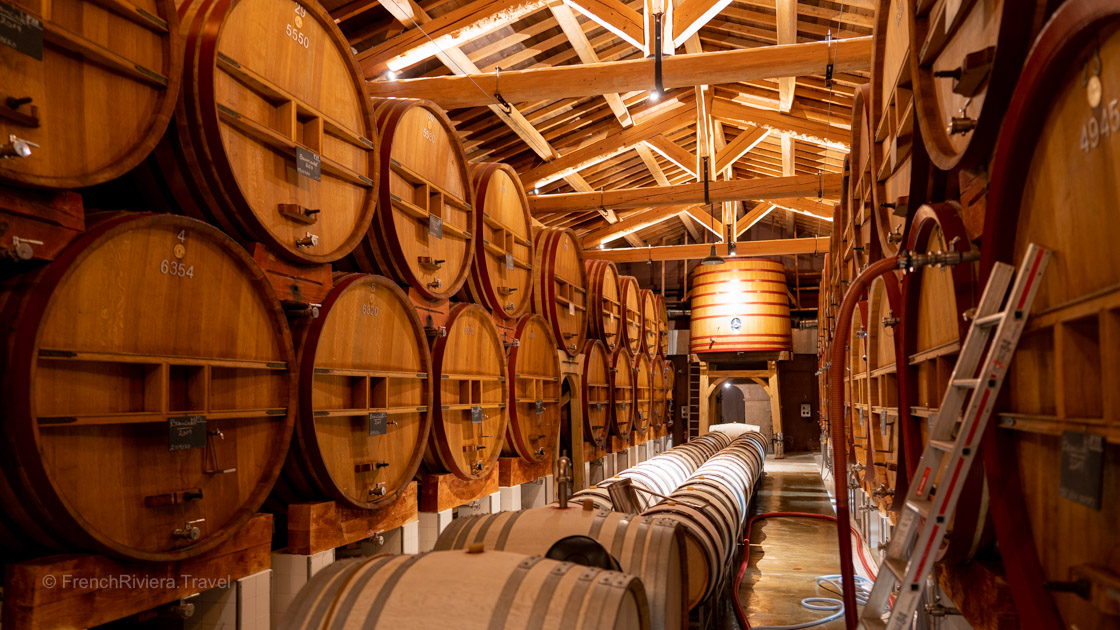
With only 150 to 200 passengers on board, a river cruise is a welcome contrast to an ocean going voyage and offers a more intimate vacation experience, especially on a themed sailing meant exclusively for wine connoisseurs and enthusiasts.
Guest post. This article may contain paid promotional links.
As the Rhine river flows through France, it passes its illustrious wine-growing regions, famous for their fairy-tale castles and historic vineyards where world-famous wine varieties have been perfected over centuries.
Typically, in a wine-focused Rhine river cruise, the Wine Host is from a popular winery, who conducts multiple wine tastings onboard, and hosts a wine dinner on the ship paired with cheese and other wines, gives lectures and conducts trivia contests.
Another bonus of joining these themed cruises is that they are mostly operated out of the peak summer season, during the September and October harvest season, when cruise prices are less.
Provence roses vs Riesling whites: How they compare
While wine growing regions are all over France, but the best wines from these areas share certain stylish attributes like lively acidity, mouthwatering minerality and precise and lengthy finishes that make them exceptional to pair with other wines and food.
Rose and white wine are both lighter-colored wines that go well with warm weather and food-friendly drinking, but are fundamentally different in origin and production.
Alsace sits on a long narrow corridor, stretching from north to south, along the river Rhine, with the Vodages mountains on the left creating a rain-shadow effect that protects much of the wine-making from effects of precipitation.
Unlike other French regions, Alsace is the world’s leading white-wine producer and rewards wine lovers who care about personality and precision. There is a good chance to sample some Alsace wines on a Rhine cruise from Amsterdam.
The key grapes used in these robust white wines are Gewürztraminer, Pinot Noir, Pinot Gris, Riesling and Muscat that have more flavor than their counterparts grown on the eastern side of the Rhine.
You can begin and end your journey from Marlenheim, near Strasbourg, the center of the French Alsace region, all the way to Thann and through as many as 50 Grand Crus sites.
In Provence, the delicious bold, crispy and fruity rose’s dominate by pairing well with local seafood dishes. The red grapes that are grown exclusively here are Grenache and Mourvedre while the primary white grape varieties include Grenache Blanc and Clairette.
The core of the flavor in roses is fresh red fruit, like strawberry, cherry, watermelon etc that provides clean and mouthwatering acidity. Provence-style direct-press roses are lean, pale, floral and deliciously mineral.
Rose is widely considered one of the most food-versatile styles, the general rule of the thumb being you can match the body of a rose to the weight of the dish.
Provence, in southern France, is the undisputed world capital of rose, producing 90% of wine output and approximately 5% of global rose supply and 39% of the world’s roses.
Established in 1936, Tavel region holds the unique distinction of being the only AOC in France dedicated solely for rose production.
The final verdict
Reach for a bottle of rose, especially at a table with a wide range of dishes or when drinking outdoors in warm weather.
Choose the Riesling white when the dish has a clear structural demand, for instance Sauvignon Blanc with asparagus and goat cheese.
Take a luxury wine cruise curated if you are passionate about wine and heritage.This will be your passport to savor the authentic spirit, flavors and beauty of France’s legendary wine growing regions in comfort and convenience.